Wolken, Ongeluk

Livingston eiland
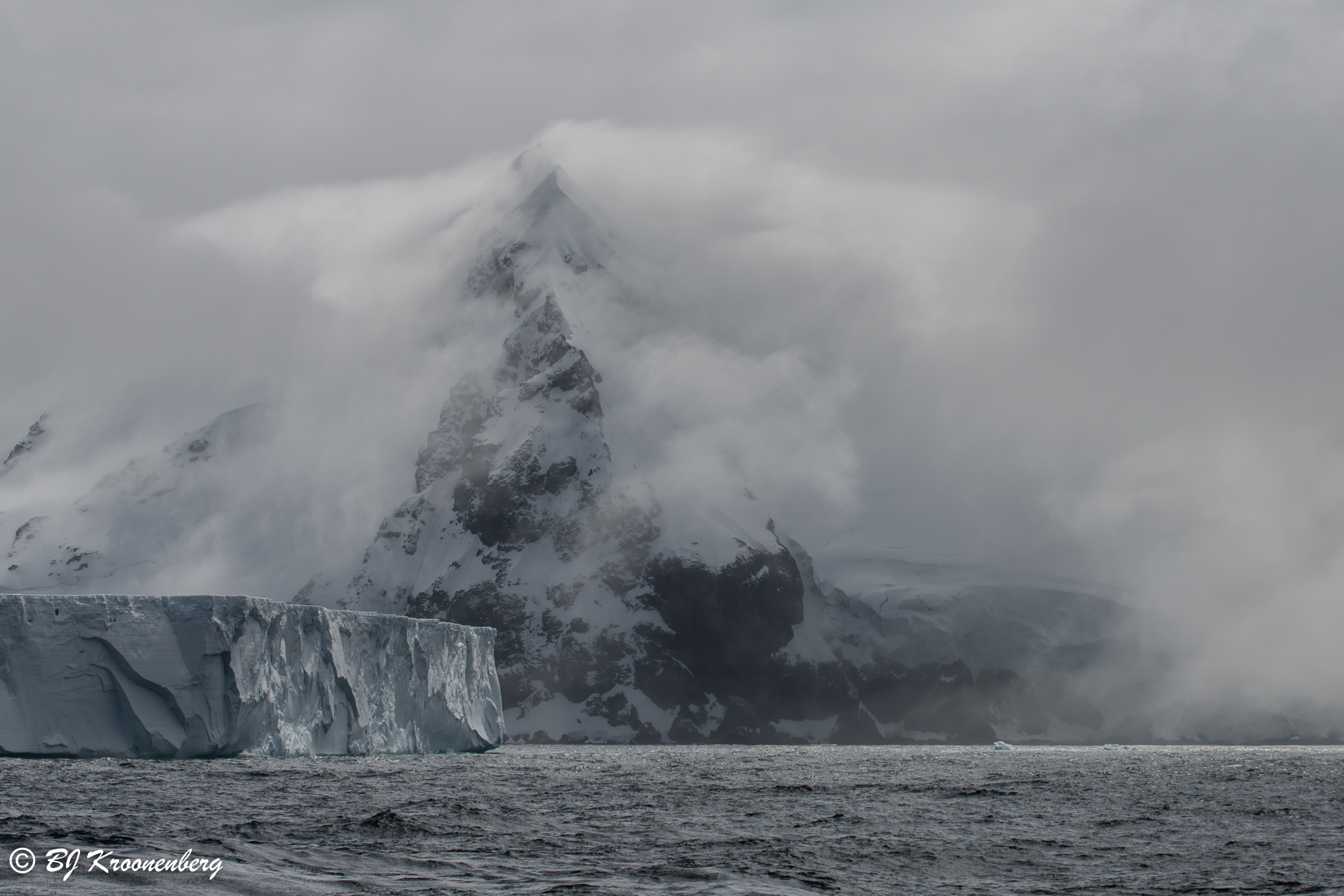
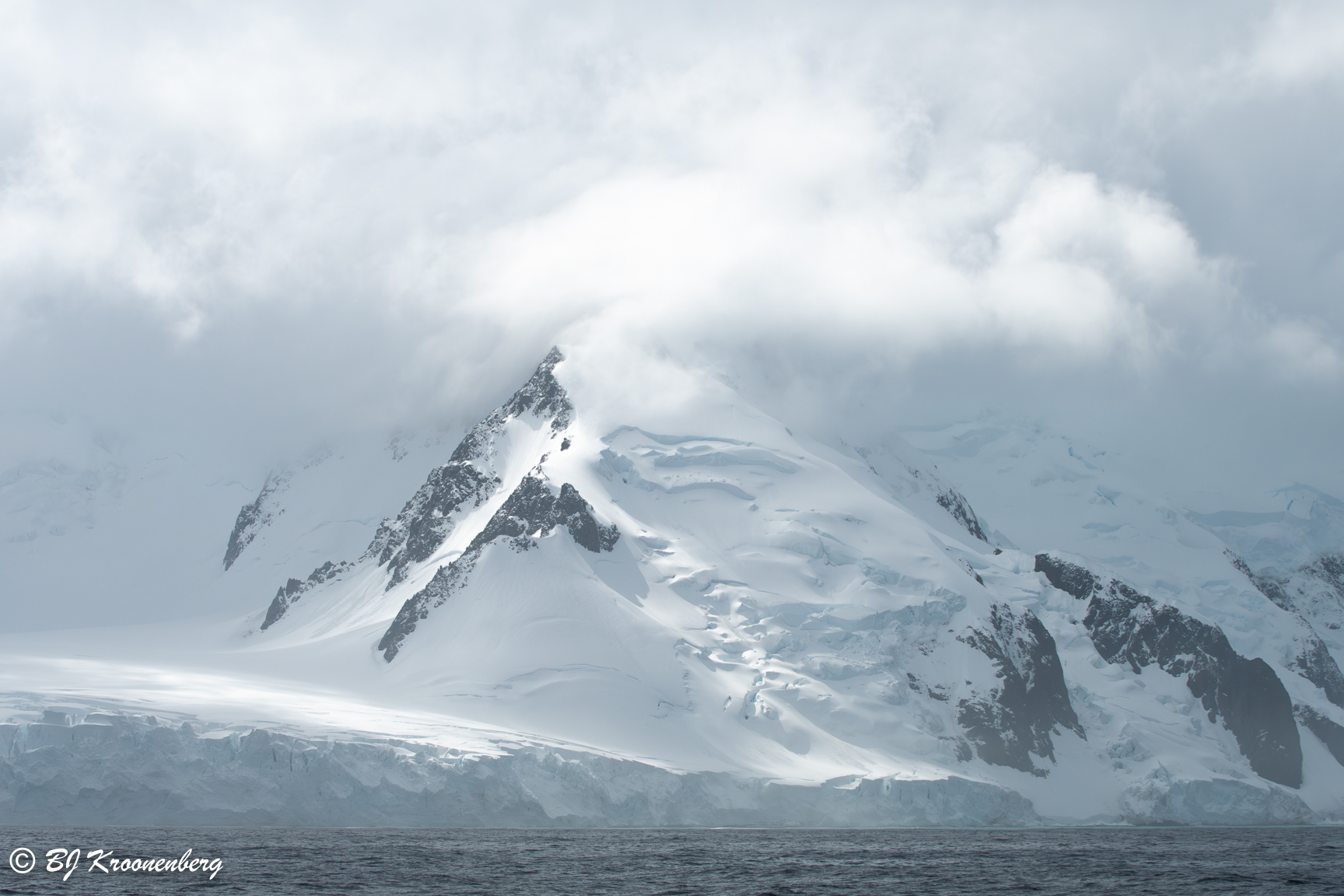
Rohzen schiereiland met de Charity Gletsjer en daarachter de St Methodius piek in de wolken
Door wolken
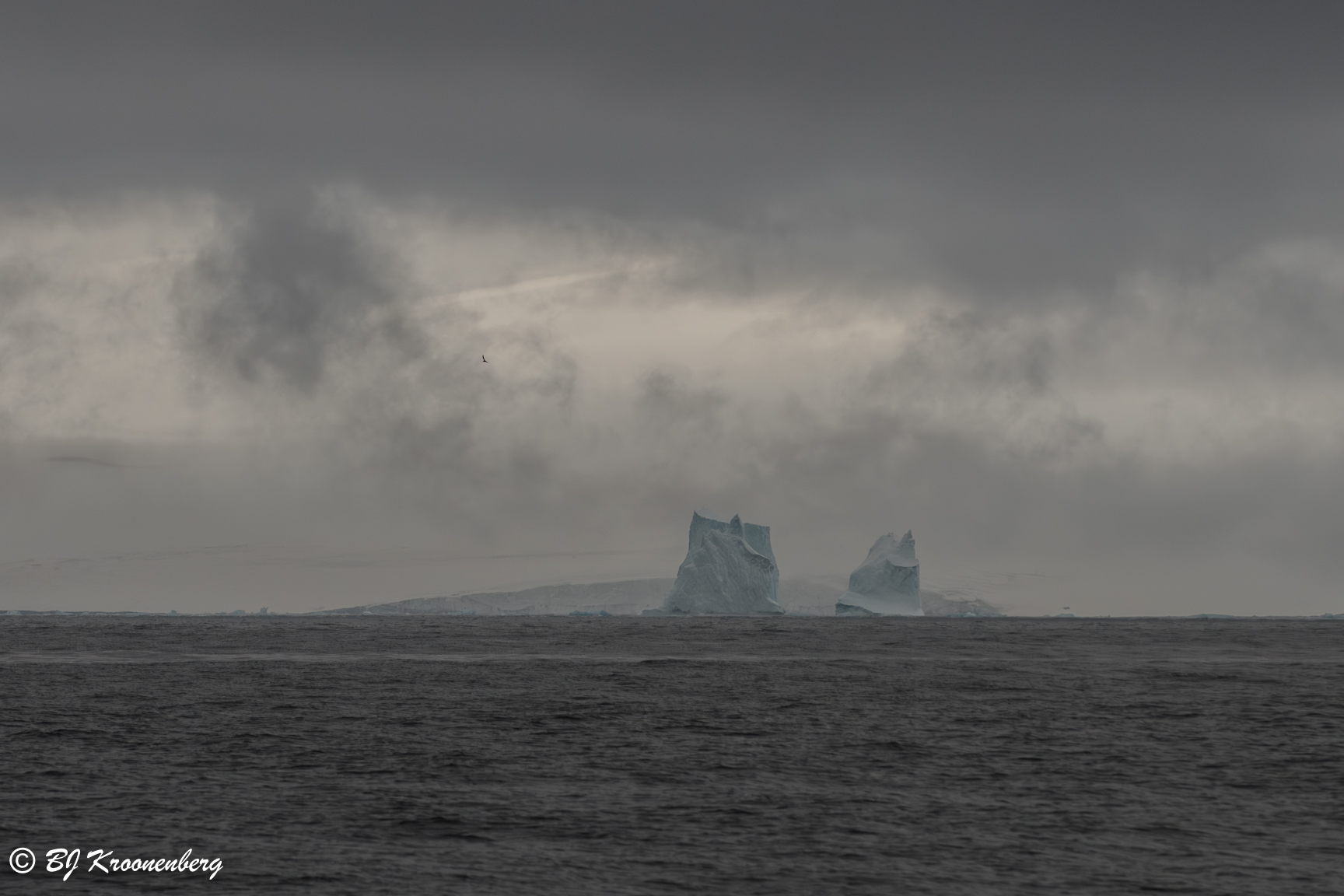
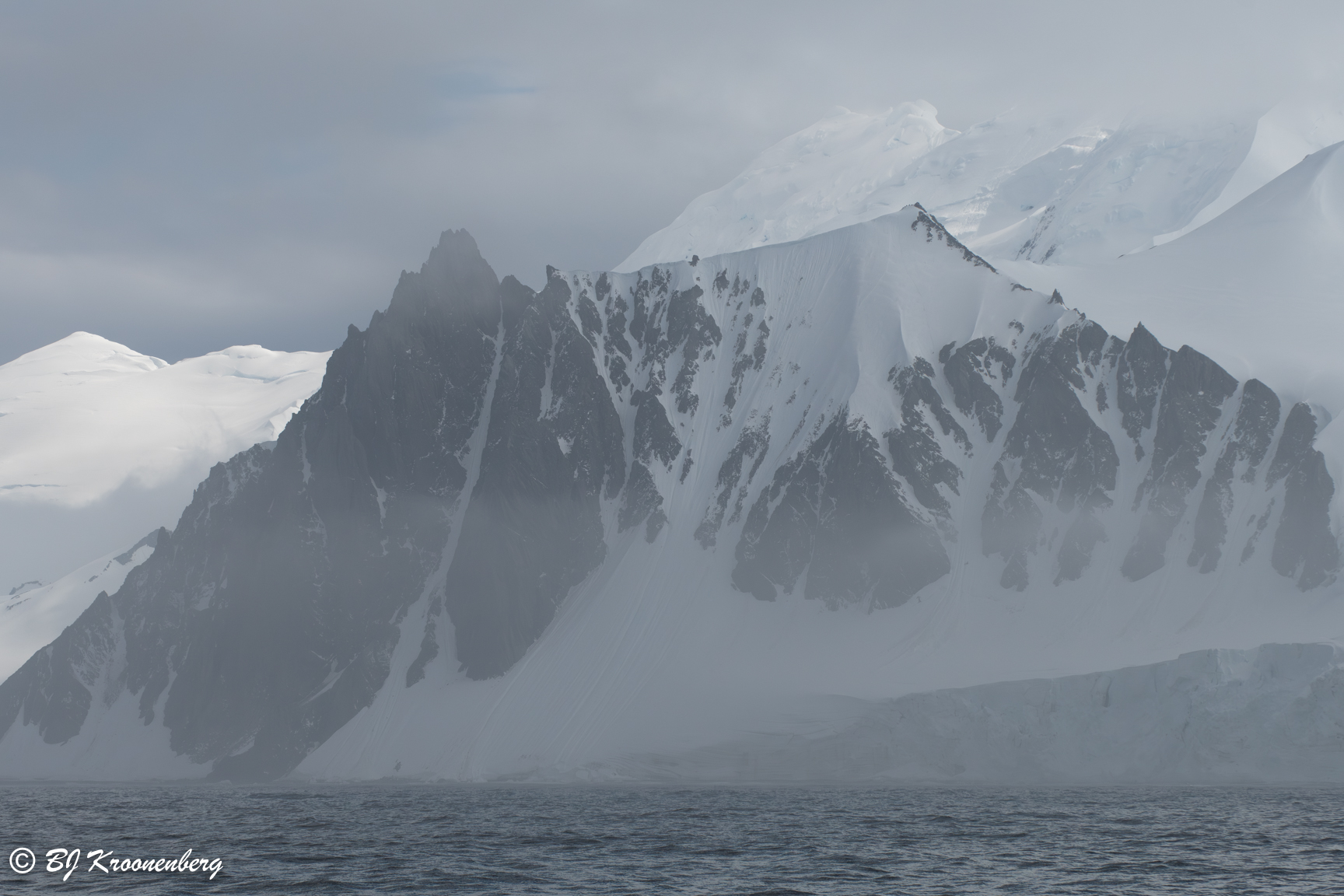
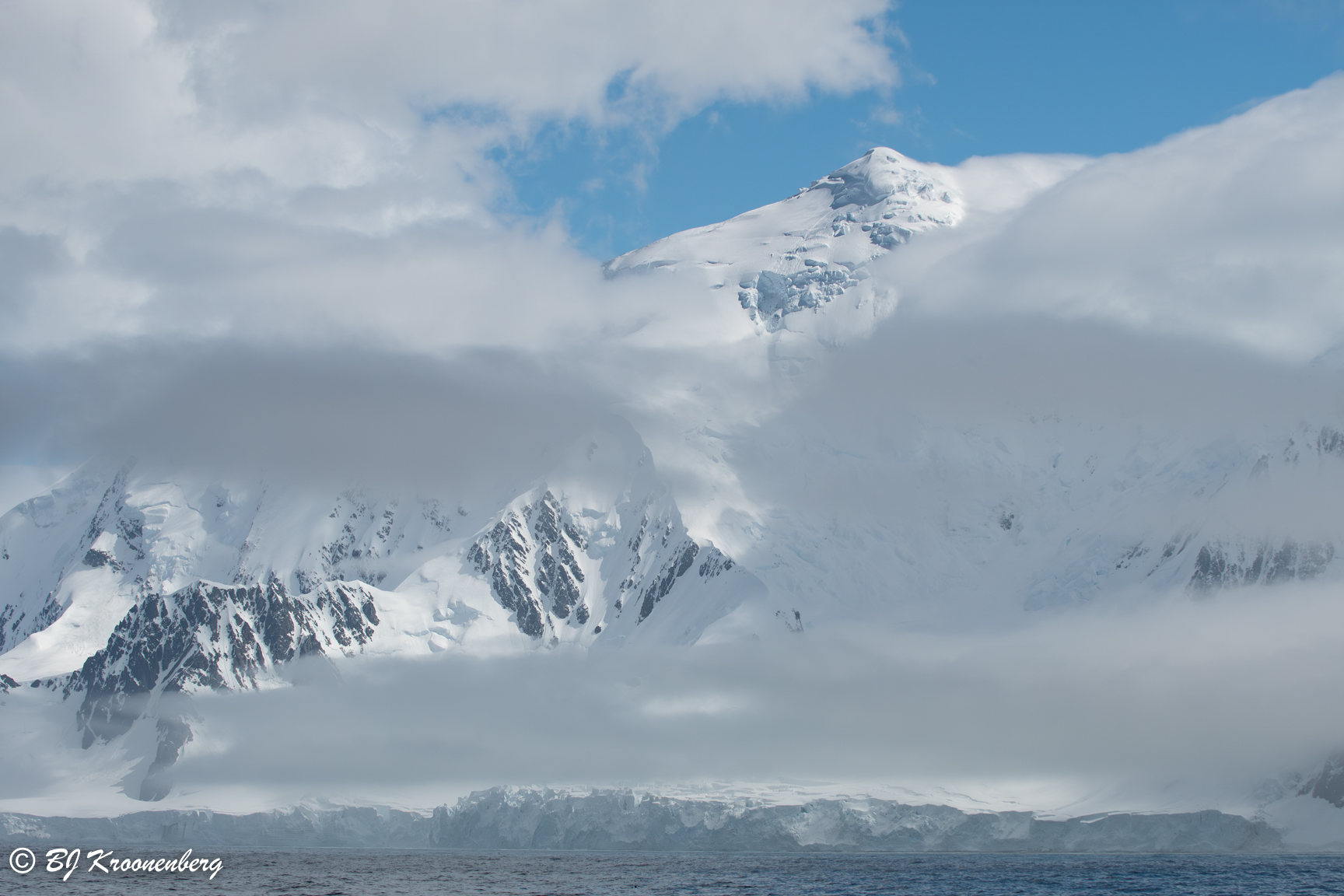
Onze kapitein vertelt dat hij al zeven-en-twintig keer langs Livingston Island is gevaren met de Bark. Dèze tocht is het de eerste keer dat hij het eiland goed te zien krijgt. De vorige keren werd het volledig door wolken aan het oog onttrokken. Dit wil overigens niet zeggen dat er nu géén wolken zijn. We varen op ooghoogte van de wolken zoals je ook meemaakt wanneer je in een vliegtuig een wolkendek passeert vòòr het landen.
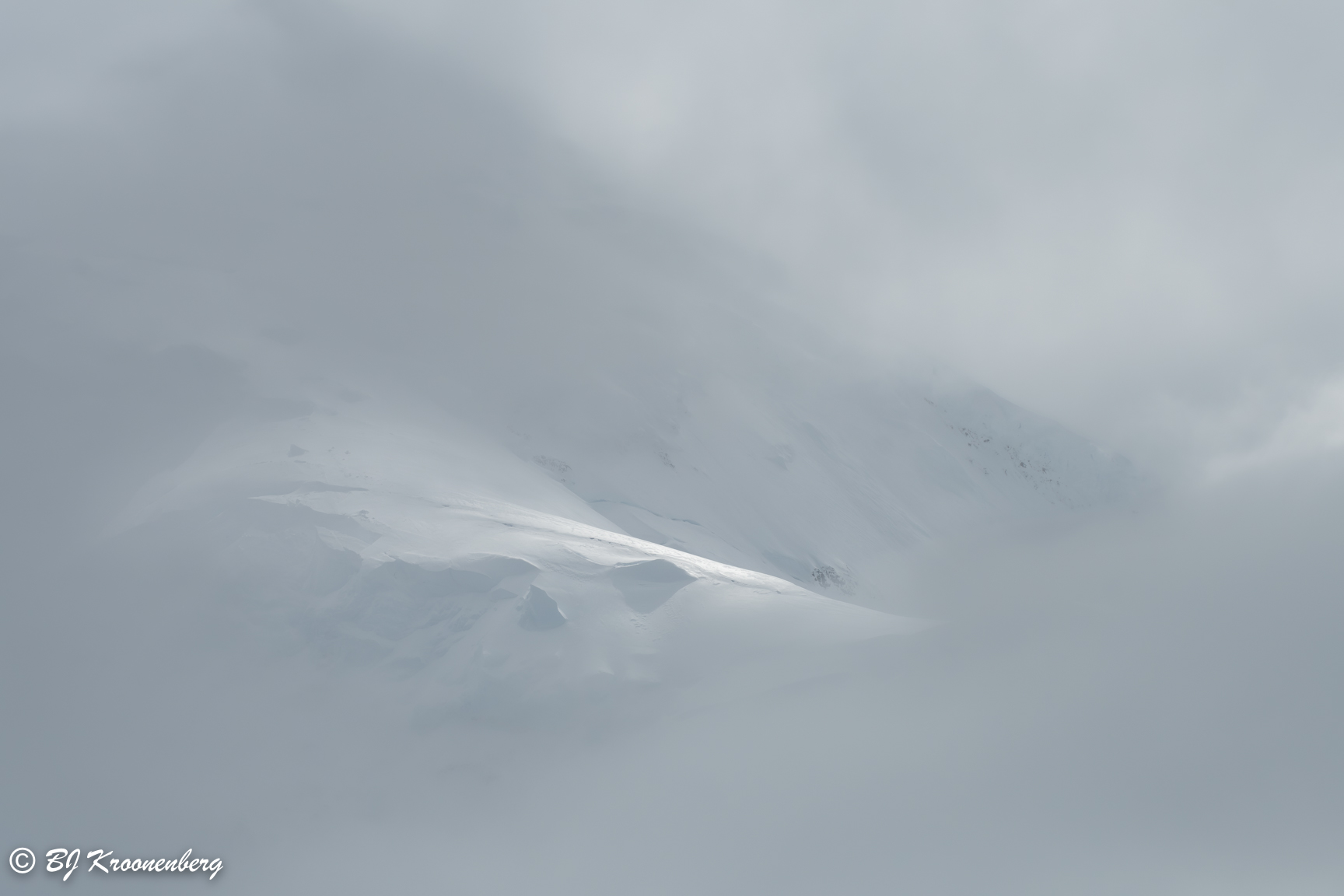
Terwijl wij er langs varen, kan ik het eiland vaak alleen maar zien door gaten in het wolkendek.
Overigens, al die wolken zouden best een een rol gespeeld kunnen hebben bij een vliegtuigongeluk op Livingston waarbij er in 1976 een vliegtuig van de Argentijnse marine in botsing is gekomen met een berg.

Over een vliegtuigongeluk
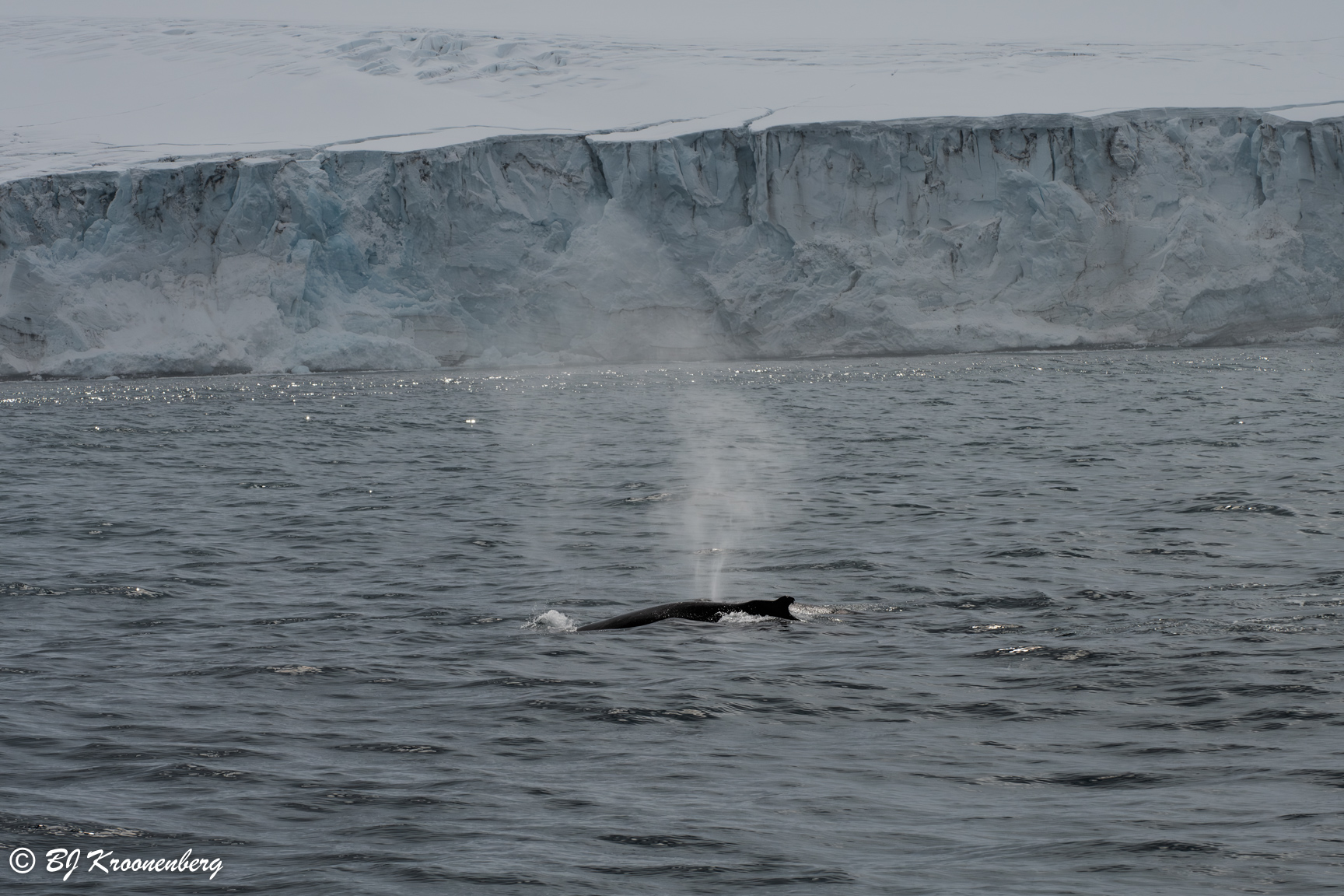
Begin 2024 kwam er in een nieuwsbericht van het acht-uurjournaal op TV een filmpje langs over de berging van een vliegtuigwrak in Antarctica. Het vliegtuig van de Argentijnse marine was in 1976 te pletter gevlogen tegen”Mount Barnard” (1700 m.) op Livingston Isle bij het Antarctisch schiereiland. Het wrak werd 8 februari 2024 gevonden door een Bulgaarse expeditie. Het filmpje toonde een deel van het vliegtuigwrak met op de achtergrond een gletsjer die met een blauwe ijsklif in zee eindigt. Ik kon mijn ogen niet geloven. Het was zo’n ervaring waarbij je plots beseft dat een versleten platitude letterlijk moet worden genomen en niet bij wijze van spreke. Dit kòn toch niet waar zijn. In een artikel in de “Agenda Malvinas” vond ik een foto van de berging met de gletsjer op de achtergrond. Uiteindelijk lukte het om de exacte plaats, van mijn eigen foto hierboven en van de foto bij het artikel hieronder, te lokaliseren. Het klopte wèl, vijf jaar geleden, in januari 2019, had ik met de Bark Europa precies dezelfde gletsjer gepasseerd die in het filmpje getoond werd.
Photo: Bulgarian Antarctic Institute and the Argentine Navy.
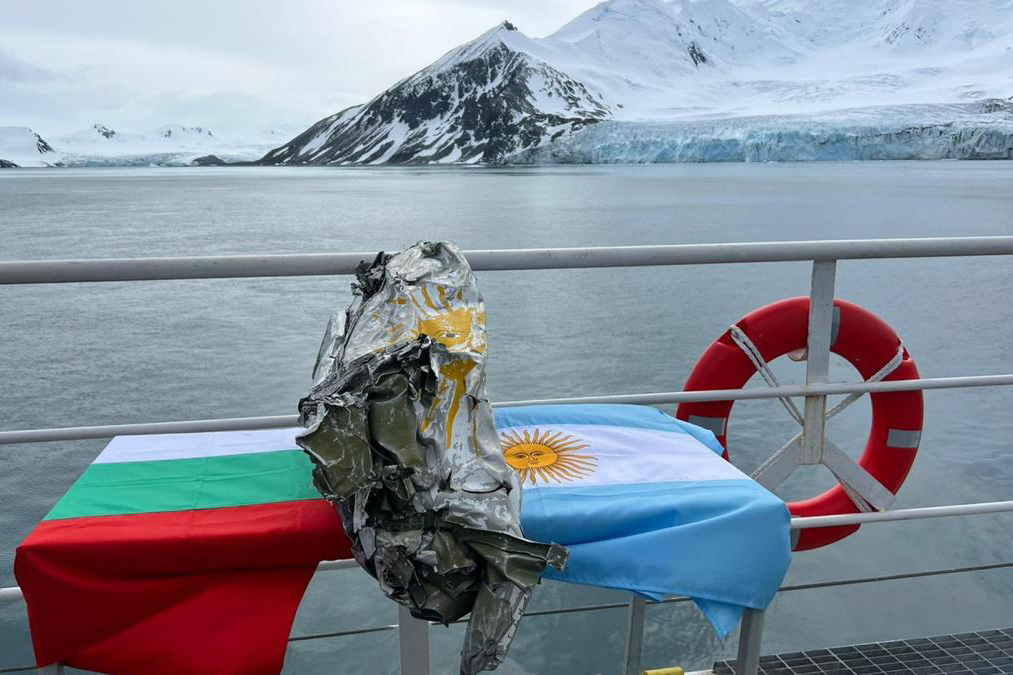
De foto toont het dek van het Bulgaarse bergingsschip. Een deel van het vliegtuigwrak is neergezet op een tafeltje met twee vlaggen, de Bulgaarse vlag links en de Argentijnse- rechts. Op de achtergrond is het het Rohzen schiereiland te zien met de ‘Charity glacier‘, dezelfde gletsjer als op de voorgaande eigen foto. De gletsjer waaiert uit vanaf een witte kom van besneeuwde bergen, hij is onmiskenbaar door de blauwige ijsklif waarmee hij in de zee eindigt.
De zwarte rotspunt in het midden van de nieuwsfoto met het bergingsschip is ‘Canetti peak’ (hoogte 400m). Links daarvan ligt de ‘False Bay’. Op de eigen foto is alleen de basis van de ‘Canetti peak’ te zien. De bergtop in de wolken in het midden van de eigen foto zou de ‘St. Methodius peak’ (1180 m.) moeten zijn en de donkere rotsen op de rechterkant vormen dan te samen de ‘Velekka ridge’. Wat verder naar het zuiden, naar rechts en buiten beeld, is het meest zuidelijk punt van het Livingston Island, Barnard point,(dus niet Mount Barnard).
De berg van het ongeluk heet oorspronkelijk Mount Friesland. In sommige landen waaronder Argentinië, wordt de berg Mount Barnard genoemd. ‘Mount Friesland/Barnard’ ligt hemelsbreed zo’n 10 à 15 km verder naar het noord-oosten en is vanuit deze positie niet te zien.
Het onderstaande artikel is overgenomen uit de “Agenda Malvinas” van 27 februari, 2024.
Remains of an Argentine plane that crashed 48 years ago are found in Antarctica
A team of Bulgarian researchers exploring the coast of Livingston Island found remains of an Argentine plane that crashed in that Antarctic sector in September 1976, an accident that caused the death of ten soldiers and a journalist, the greatest national tragedy on the continent. white.
The remains of the plane will be delivered to Argentine authorities on February 20 when the Bulgarian expedition stops at the port of Mar del Plata.
The accident
The Neptune maritime surveillance plane, with the registration number 2-P-103 of the Aeronaval Exploration Squadron of the Argentine Navy , had taken off from the Río Grande base on September 15, 1976 with the mission of carrying out a glaciological reconnaissance through of photographs that would allow the icebreaker ” General San Martín” to mark a safe transit to supply the Argentine Antarctic bases.
For unknown reasons, it crashed into Mount Barnard, more than 1,700 meters high, in an accident in which its eleven crew members died.
In January 1977, a Bell 212 helicopter of the Argentine Army embarked on the icebreaker “General San Martín” deployed a team of mountaineers to the island to try to recover the bodies, but when they wanted to ascend to the accident site, more than a thousand meters away, high, crashed in the area and its three occupants died.
Although the site of the accident was identified and Air Force planes took photographs of the remains during this summer, the authorities at the time gave up mounting another rescue operation so as not to put more lives at risk.
The discovery
On Livingston Island and near Mount Barnard, Bulgaria located the “San Clemente de Ohrid” base in 1988 and the “Academia” shelter in 2004, while its Antarctic program maintains multiple and solid ties of cooperation with Argentina, such as example in the training of crew members of the Bulgarian research vessel “Saints Cyril and Methodius”.
On January 29, during one of their explorations along the coast of Falsa Bay to collect biological samples, the Bulgarians found remains of an aircraft that they initially believed to be the Hercules C-130 of the Chilean Air Force that crashed over the Drake’s passage in 2019, although contact with Argentine authorities confirmed that it was an Argentine aircraft.
Rear Admiral of the Argentine Navy Marcelo Tarapow served as Joint Antarctic Commander between 2016 and 2017, is president of the Antarctic Academy and was an instructor for many of the crew of the Bulgarian research vessel, which earned him decorations from that country and straits. ties with their students.
In dialogue with Télam, Tarapow said that “the remains were found by the Bulgarians on the beach at the foot of a glacier that originates from Mount Barnard, what happened is that the natural movement of the ice dragged the remains of the plane that 48 years ago crashed at a height of more than a thousand meters to sea level. In some way you can say that the mountain brought them back.”
“The Bulgarians first believed that they were remains of the Chilean plane, but they sent the photos to me and when I saw the May sun painted there was no doubt that it was an Argentine plane and given the location of the discovery it had to be the Neptune” , he confirmed.
Tarapow assured that the remains will be delivered to Mar del Plata by the Bulgarian ship, which also held a tribute ceremony at the site.
The sailor said that “in personal terms it is a very close story because the son of the pilot of the Neptune was a classmate of mine from primary school and we were both eleven years old when the tragedy happened; we managed to contact the families of nine of the eleven crew members and to “All of them having found at least a part of the plane after so many years is something that helps close a part of the story.”
“Although there are photographs that show the remains of the Neptune in the place where it crashed in 1976, the truth is that almost half a century passed and if these remains appeared on the beach it is very likely that nothing is found in the same place as that one. moment so there would be nowhere to direct a new search expedition; the remains found will be landed in Mar del Plata and taken to the Naval Aviation Museum for identification, surely afterwards there will be a ceremony with the families,” added Tarapow .
———————————————–
The fallen crew
The crew of the Neptune were Carlos Migliardo (Navy Lieutenant), Arnaldo Mario Mutto (Lieutenant Commander); Miguel Angel Berraz (Navy Lieutenant); Claudio María Cabut (Lieutenant of Lieutenant); Nelson Dario Villagra (Second Warrant Officer); Remberto Eberto Brizuela (Second Petty Officer); Juan Aurelio Noto (Second Warrant Officer); Carlos Omar Campastri (Main Cape); Jesús Oscar Arroyo (Primary Corporal) and Benjamín Pablo Scesa (First Corporal).Rodolfo Rivarola, director of Channel 13, Río Grande Tierra del Fuego, was also on board.
The tribute held last Sunday at the site of the discovery was attended by scientists from the Spanish Geographic Association and Argentine researchers; The event was headed by the Director of the Naval Academy Nikola Vaptsarovand Flotilla Admiral Boyan Mednikarov.
Lieutenant Lucas Acosta , representative of the Argentine Naval Force that assists the navigation of the Bulgarian ship in Antarctic waters, recalled the chronology of the collision of the plane and the helicopter, the greatest tragedy in the history of the Argentine presence in Antarctica.
The Bulgarian ambassador to Argentina, Stoyan Mihaylov, who is part of the Bulgarian expedition in Antarctica, said that this tragedy “constitutes an invaluable lesson of the immeasurable challenges, dangers and risks that lie in wait for those who try to bring to light the secrets of the Antarctica”.
The Director of the 32nd Bulgarian Antarctic Expedition, Professor Hristo Pimpirev , expressed that the members of these crews worked for science, peace and the future of humanity.
“Sadly, they lost their lives, but they flew towards the sun, as illustrated in the fragments of the aircraft,” he added.
The Commanding Officer of the “Saints Cyril and Methodius”, Nikolay Danailov , reminded the crew of the importance of complying with safety procedures.
 Antarctica